
A private label pet deodorizing spray can be a practical way for a grooming brand, distributor or retailer to add a repeat-use product between bath days. The strongest projects begin with a clear use case: refresh a pet after a walk, support a professional groomer’s finishing routine, or create a convenient home-care companion to shampoo and conditioner. This guide explains how to define the concept, develop samples and prepare a launch-ready deodorizing spray with a manufacturing partner.
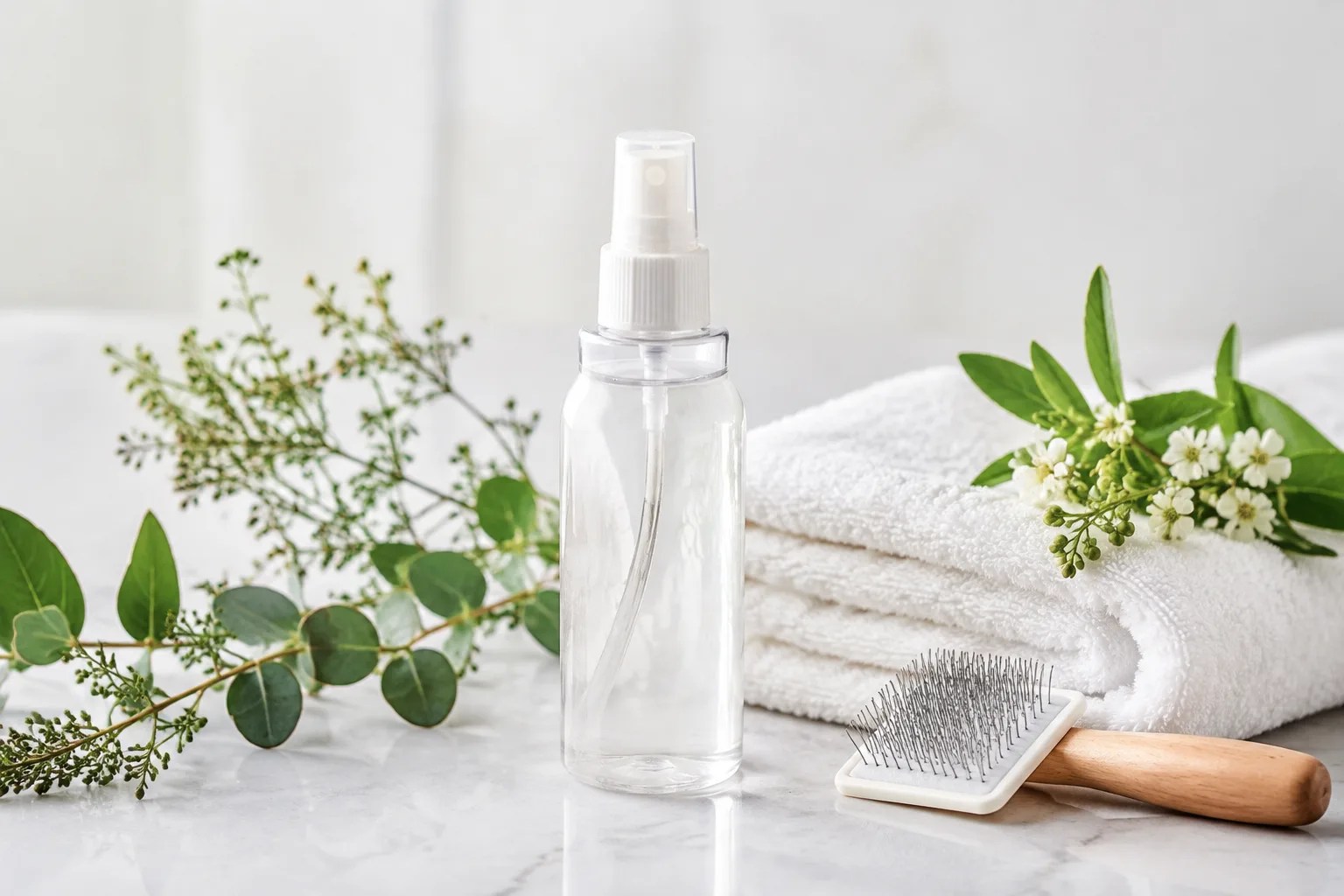
Start With the Customer Moment
Define when and why the product is used
Deodorizing sprays are not all the same. A daily freshening mist for pet owners should feel simple and pleasant to use. A professional finishing spray may need to fit a groomer’s workflow and a more premium salon experience. A travel-size product may prioritize portability, while a retail bundle may be designed to complement a matching shampoo. Before discussing ingredients or packaging, define the customer, the situation, the desired sensory experience and the product’s place in the wider grooming line.
This focus keeps the product credible. Instead of making broad promises, describe a realistic grooming benefit such as helping refresh the coat between washes or leaving a clean, well-groomed scent. The label, product name, fragrance direction and packaging should all reinforce the same idea.

Choose a Product Direction Before Customizing
Private label, OEM and ODM options
For a new brand, an existing manufacturer-developed spray can provide a faster starting point. This approach lets the brand concentrate on label design, packaging and market positioning while reviewing a proven base product. It is often suitable when the goal is to test demand with a focused first SKU.
A more defined OEM project may be appropriate when the brand has specific expectations about fragrance, finish, bottle format or product story. ODM can be useful when a manufacturer helps turn a broad market opportunity into a more complete concept. The best route depends on how developed the brief is, how much differentiation matters and what quantity is practical for the launch.
Build a Sensory Experience That Fits the Brand
Fragrance, feel and product story
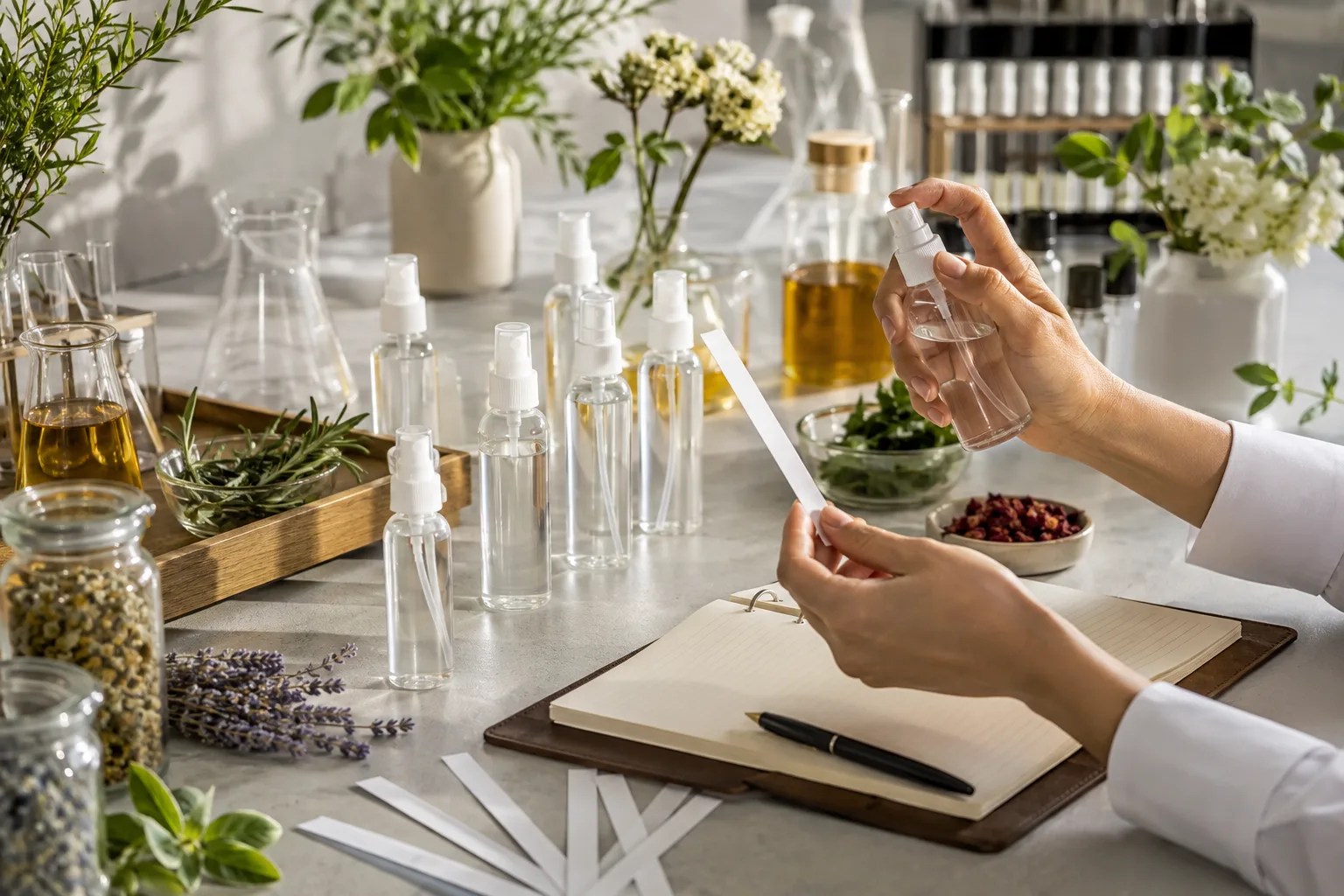
For deodorizing products, the sensory experience is central. Brands should decide whether the range is positioned as clean and fresh, botanical and gentle, professional and functional, or premium and spa-inspired. A fragrance should support the concept without overpowering the overall experience. It is also useful to consider whether the scent will coordinate with shampoo, conditioner or other products in the range.
During sample review, assess the spray pattern, drying feel, fragrance impression, appearance and how the product works with the selected packaging. Ask the manufacturer which elements can be adjusted and which options have implications for development timing, packaging compatibility or order quantity. Clear feedback at this stage saves time later.
Select Packaging for Everyday Use
Make the spray easy to handle and easy to understand
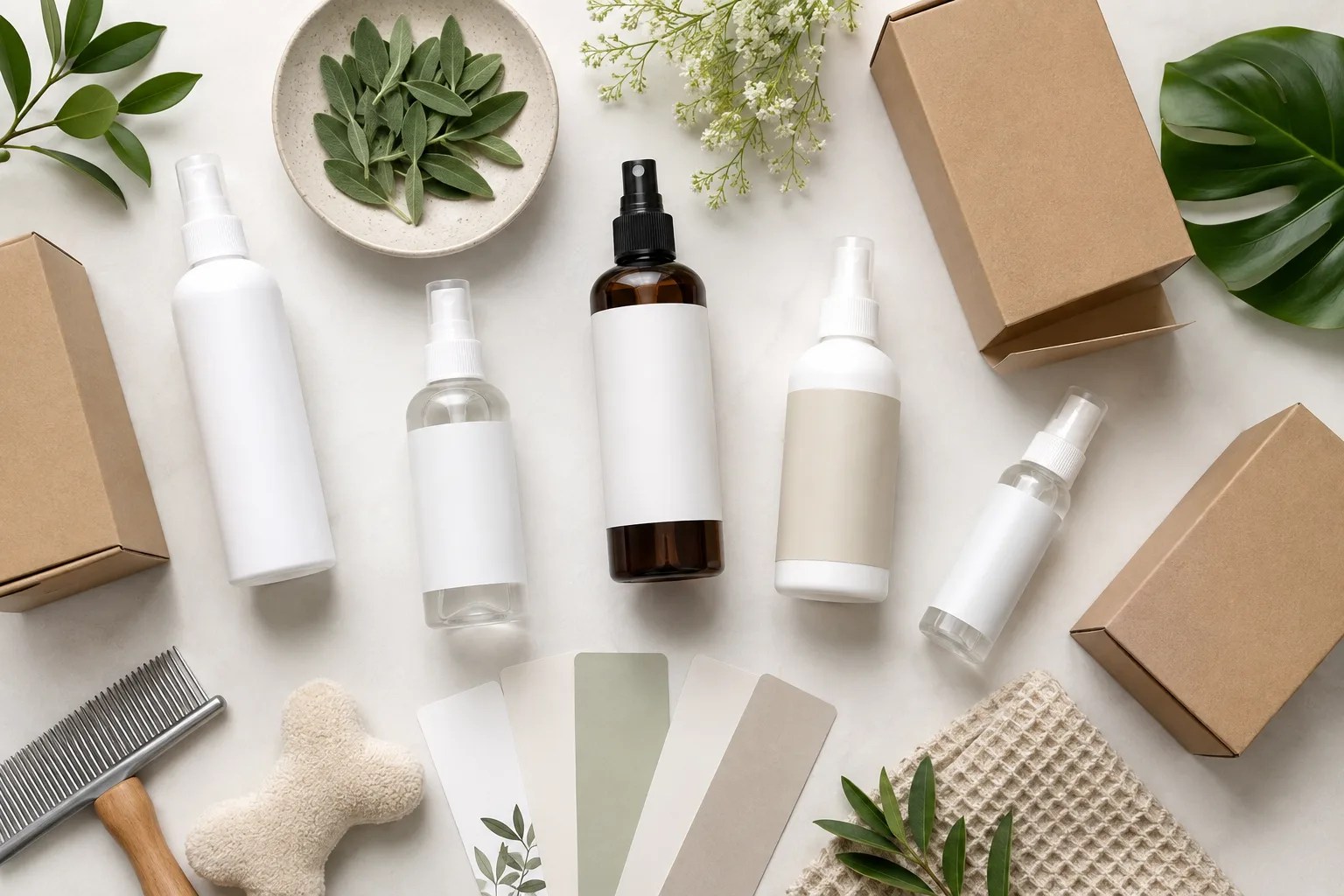
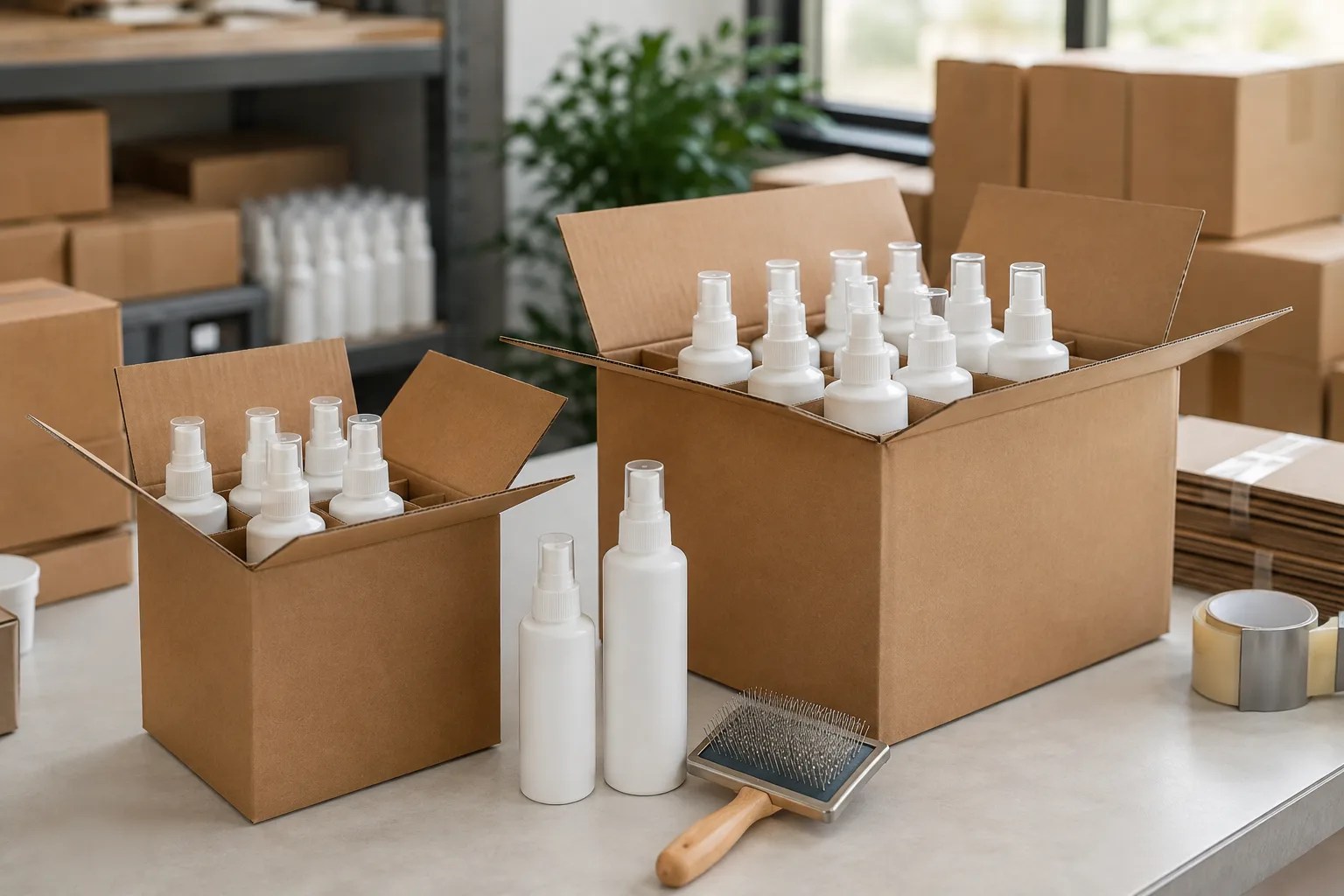
Packaging should match the intended user and sales channel. A fine-mist trigger or spray pump can affect the user experience as much as the formula itself. Consider bottle size, grip, cap security, label area, travel or shipping requirements and how the product will look next to the rest of the range. Existing bottles with custom labels are often a practical first step; fully customized bottles and printing can create stronger differentiation but may require more investment and a longer development process.
The front label should communicate the product clearly: what it is, the main use case, the scent or collection name, and the intended pet category where relevant. Avoid overcrowding the design with every possible message. Clear packaging helps a buyer or pet owner understand the product in seconds.
Use Samples to Make Commercial Decisions
Approve the details before production
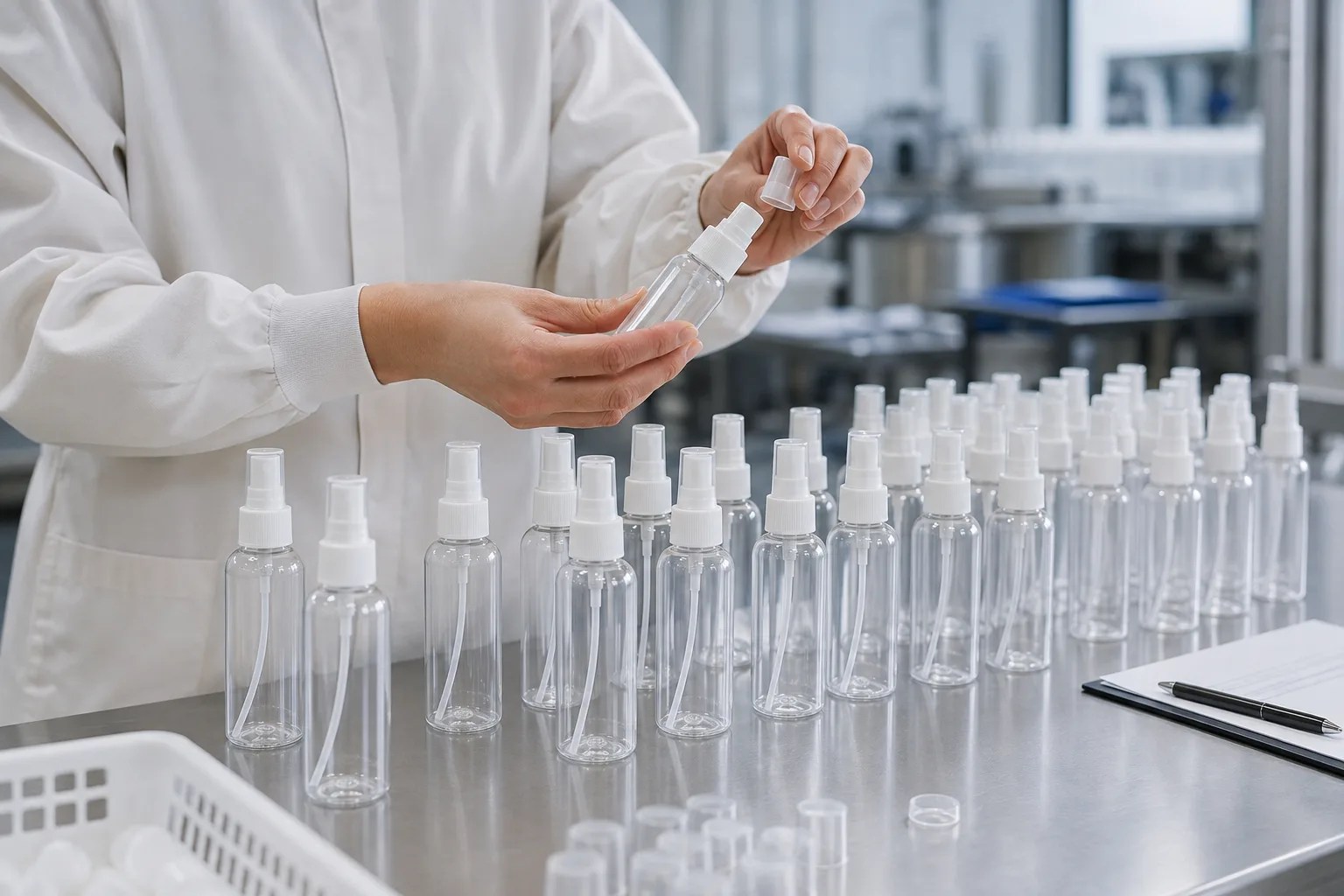
A sample is not merely a formality. It is the point where the brand checks whether the product supports the intended customer experience. Compare candidate samples against the brief, record feedback on fragrance and spray performance, and confirm the preferred bottle and label direction. If the line will be sold internationally, clarify the product information, packaging specifications, quality-control process and documentation responsibilities before production.
The first order should support learning as well as sales. A focused launch with one well-positioned deodorizing spray can generate feedback on the fragrance, format and price point that should guide future development. Once demand is clearer, the product can expand into complementary shampoo, conditioner, waterless grooming or specialized care products.
Plan the Product as Part of a Grooming Range
Use a clear next step for buyers
A deodorizing spray is most valuable when it has a defined role in a complete grooming routine. Brands can position it as a between-bath refresher, a salon finishing product or a companion to a signature shampoo. The same development process—clear audience, focused brief, samples, packaging approval and production planning—also provides a foundation for the next SKU.
Guangzhou Meilin Biotechnology Co., Ltd. supports pet grooming brands with private label, OEM and ODM product development across pet shampoo, conditioner, deodorizing products and waterless grooming. If you are planning a deodorizing spray, share your target market, preferred product positioning, fragrance direction, packaging idea and expected order volume to begin a focused sample discussion. For related guidance, read Private Label vs. OEM vs. ODM Pet Grooming Products or contact our team.
Leave a Reply